
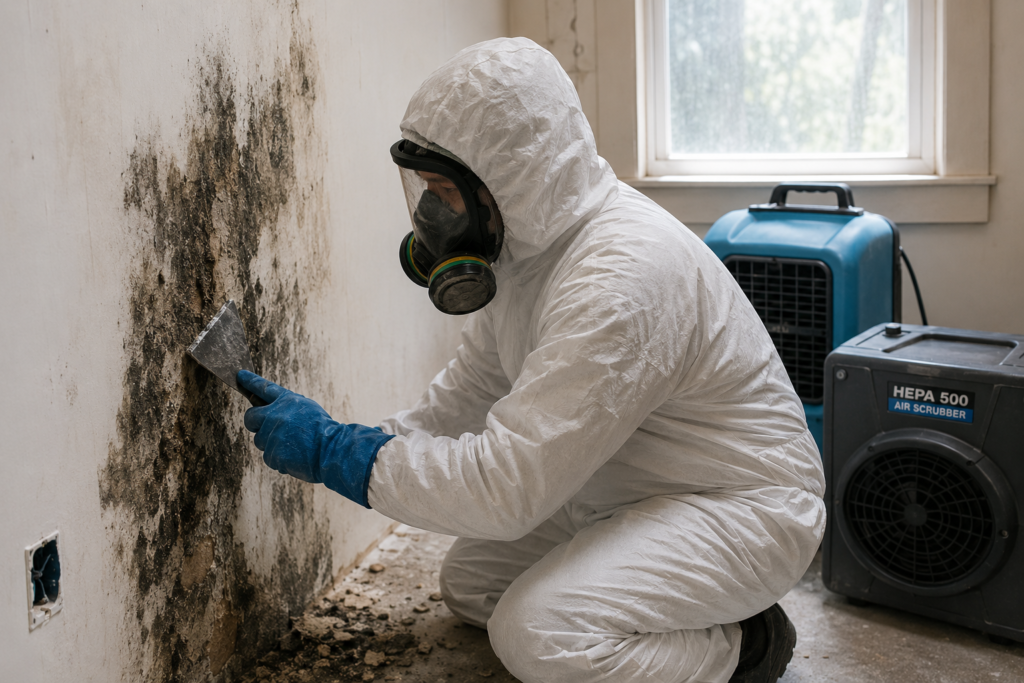
If you’ve just discovered mold in your Columbia, SC home, the first question on your mind is probably: how long is this going to take? The honest answer is that it depends on several factors, but most homeowners can expect the process to take anywhere from one to five days for small, contained mold problems, and up to one to two weeks for larger infestations that have spread into walls, flooring, or HVAC systems.
Mold doesn’t wait around, and neither should you. The longer mold sits untreated, the more it spreads, the more expensive remediation becomes, and the greater the risk to your health and your home’s structure. In this guide, we’ll break down exactly what affects mold removal timelines, what the process looks like step by step, and how to know when it’s time to call in professionals like First Choice Restoration.
What Determines How Long Mold Removal Takes?
There’s no single answer that fits every situation, because mold remediation timelines depend on a handful of key variables.
1. Size of the affected area
A small patch of mold on a bathroom ceiling tile might take a few hours to clean, while mold that has spread across an entire basement or crawlspace could take several days of continuous work.
2. Type of mold
Not all mold is created equal. Common surface mold is often easier to remove, while black mold remediation and removal tends to require more aggressive containment, specialized equipment, and additional safety precautions, which extends the timeline.
3. Source of moisture
Mold grows because of moisture, so if the underlying water issue isn’t fixed first, the mold will keep coming back no matter how thoroughly you clean. If the mold stems from a leaking pipe, roof, or appliance, that source has to be repaired before remediation can be considered complete.
4. Where the mold is located
Surface mold on tile or drywall is relatively quick to treat. But mold that has crept into your subfloor, insulation, or air ducts takes considerably longer because those materials often need to be removed and replaced rather than just cleaned. This is especially true for cases involving crawlspace mold remediation or attic mold removal, where access is limited and airflow needs careful management.
5. Humidity and climate
Columbia’s humid summers create the perfect environment for mold to thrive, which is why local homes and businesses often deal with recurring mold issues tied to excess moisture and poor ventilation.
The Mold Removal Process, Step by Step
Understanding the stages of remediation helps explain why the timeline varies so much from home to home.
Step 1: Inspection and Testing (Same Day to 1 Day)
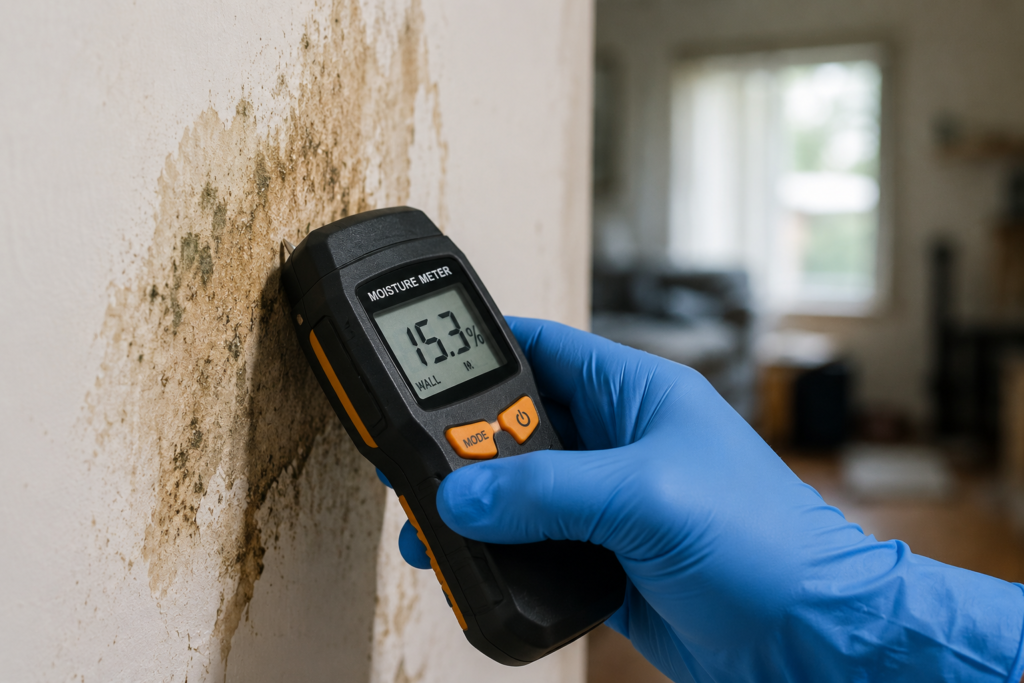
Before any remediation begins, a certified technician needs to assess the scope of the problem. This typically involves a visual inspection along with mold inspection and testing to identify the type of mold and determine how far it has spread, including into areas that aren’t visible to the naked eye.
Step 2: Containment Setup (Few Hours to 1 Day)
Once the scope is known, the affected area is sealed off using plastic sheeting and negative air pressure machines. This step prevents mold spores from spreading to unaffected parts of the home during the cleanup process.
Step 3: Air Filtration (Ongoing Throughout the Job)
HEPA air scrubbers run continuously during remediation to capture airborne spores. This step doesn’t add much time on its own but runs in parallel with everything else.
Step 4: Removing Mold and Contaminated Materials (1 to 3 Days)
This is usually the longest part of the process. Porous materials like drywall, insulation, and carpet that have absorbed mold often can’t be saved and need to be removed entirely. This is where services like drywall water damage repair or water-damaged flooring removal often come into play, since the damaged materials need to be pulled out before new ones go in.
Step 5: Cleaning and Disinfecting Surfaces (1 Day)
Non-porous surfaces such as wood framing, tile, and concrete are scrubbed and treated with antimicrobial solutions to kill remaining spores and prevent regrowth.
Step 6: Drying the Space (1 to 3 Days)
Since moisture is what caused the mold in the first place, thorough drying is critical. This step often involves industrial dehumidifiers and air movers, similar to the equipment used in structural drying and dehumidification, to make sure no residual dampness remains in walls, subfloors, or framing.
Step 7: Post-Remediation Testing (Same Day)
Before a job is considered finished, most reputable companies perform post-remediation clearance testing to confirm mold spore counts have returned to safe, normal levels.
Step 8: Repairs and Restoration (1 Day to 1+ Week, Depending on Scope)
Once the area is clean and dry, any removed materials, such as drywall, flooring, or insulation, are replaced. Larger jobs involving structural repairs from long-term mold damage may require mold structural damage restoration, which can add several additional days depending on the extent of the damage.
Small Job vs. Large Job: A Quick Comparison
- Small, isolated mold spot (bathroom, small ceiling patch): 1 to 3 days
- Moderate mold spread (single room, closet, or HVAC-related): 3 to 5 days
- Extensive mold in basements, crawlspaces, or attics: 5 to 10 days
- Severe infestations with structural damage: 1 to 2 weeks or more
If your mold problem started from a specific event, like a flooded basement or an undetected pipe leak found through professional pipe leak detection and cleanup, the timeline may run a bit longer since both the moisture source and the resulting mold need to be addressed together.
Why DIY Mold Removal Often Takes Longer (and Backfires)
It’s tempting to try tackling mold yourself with bleach and a scrub brush, but DIY methods often only address the surface. Mold spores that have penetrated porous materials or hidden spaces like wall cavities and subfloors will simply grow back within weeks, meaning homeowners often end up starting the process all over again, sometimes with a worse infestation than before. Professional remediation not only handles visible mold but also identifies and treats hidden colonies, which is why working with certified experts almost always saves time in the long run rather than adding to it.
Columbia’s Climate Makes Mold a Year-Round Concern
Because Columbia experiences hot, humid summers and heavy seasonal rainfall, homes throughout the Midlands region are especially prone to recurring mold issues, particularly in basements, crawlspaces, and HVAC systems. Local homeowners often benefit from proactive solutions like mold prevention coatings or crawlspace encapsulation to reduce the chances of mold returning after remediation is complete.
If you’re in the Chapin area and searching for a mold removal company near me, our certified team offers same-day inspections and fast remediation for Lake Murray-area homes.
Final Thoughts
So, how long does mold removal take? For most homes, the answer falls somewhere between a few days and two weeks, depending on the size, location, and severity of the infestation. The most important thing isn’t necessarily speed, it’s making sure the job is done thoroughly, with the moisture source fixed and the space properly dried, so mold doesn’t come right back.
If you’re dealing with mold in your Columbia, SC home or business, don’t wait for it to spread further. The team at First Choice Restoration is available 24/7 to inspect your property, provide a clear timeline, and get your home back to a safe, mold-free condition as quickly and thoroughly as possible.
Leave a Reply