
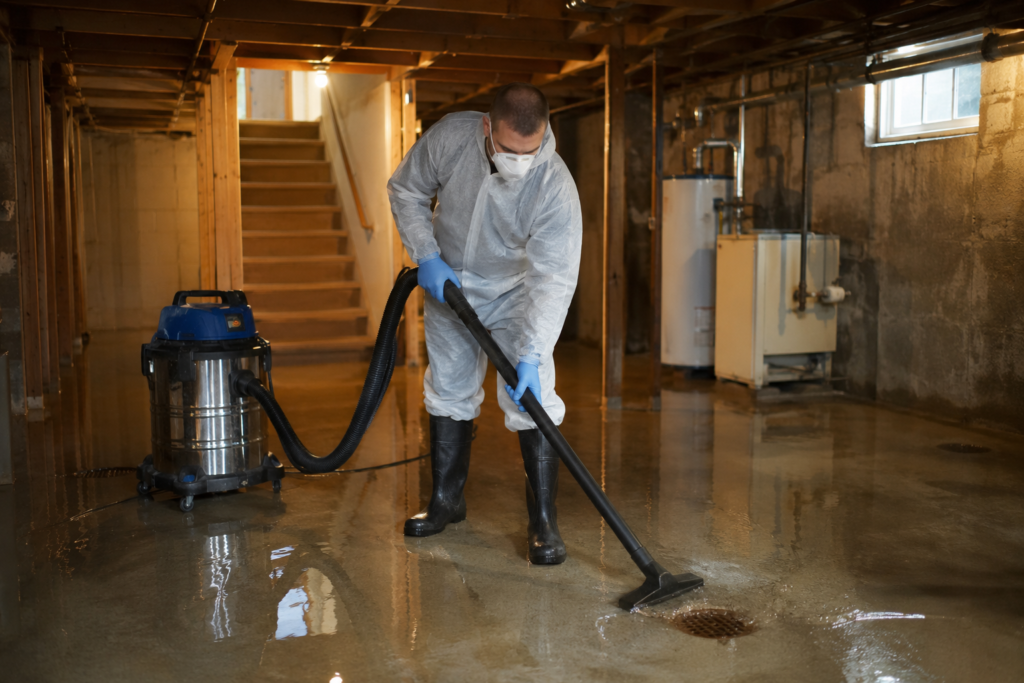
A sewer backup is one of the most stressful emergencies a homeowner can face. Unlike a simple leak, sewage backups bring contaminated water into your home, creating health hazards, foul odors, and serious property damage within hours. Knowing exactly what to do the moment you notice a backup can protect your family’s health and reduce repair costs significantly. If you’re dealing with this issue in Columbia, SC, here’s a complete guide on handling a sewer backup emergency the right way.
Recognize the Warning Signs Early
Sewer backups rarely happen without warning. Gurgling sounds from your drains, slow-draining sinks and tubs, foul sewage odors near floor drains, or water backing up into your toilet or shower when you run other fixtures are all red flags. If multiple drains in your home are affected at once, it usually points to a blockage in your main sewer line rather than an isolated clog. Catching these signs early can help you act before the situation turns into a full-blown flood of contaminated water.
Emergency Sewer Backup
An emergency sewer backup can quickly spread contaminated water into your home, creating health hazards, foul odors, and property damage. If sewage is backing up into toilets, showers, sinks, or floor drains, stop using water immediately and keep children and pets away from the affected area.
Stop Using Water Immediately
The moment you suspect a sewer backup, stop using all water in your home. Avoid flushing toilets, running dishwashers, washing machines, or taking showers. Every gallon you send down the drain adds pressure to an already blocked system and increases the risk of sewage overflowing into your living space. This is one of the simplest yet most effective steps you can take to limit damage while waiting for professional help.
Avoid Direct Contact with Sewage Water
Sewage water carries bacteria, viruses, and parasites that pose serious health risks. Never touch or wade through the contaminated water without protective gear like rubber gloves, boots, and eye protection. Keep children and pets away from the affected area entirely. If sewage has reached your living space, treat every surface it touched as contaminated until it’s been properly cleaned and disinfected.
What Is a Water Sewer Backup?
A water sewer backup happens when wastewater flows back into your home instead of draining through the main sewer line. Homeowners often first notice water backing up into basement floor drains, toilets, showers, or sinks. Unlike clean water from a broken supply pipe, sewer backup water contains harmful bacteria, viruses, and other contaminants that require professional cleanup.
Common causes include blocked sewer lines, tree root intrusion, heavy rainfall that overwhelms municipal sewer systems, damaged sewer pipes, or grease and debris buildup inside the main drain, all of which can contribute to a flood sewer backup. If you notice multiple plumbing fixtures backing up at the same time, stop using water immediately and arrange for an inspection as soon as possible.
After the blockage is repaired, contaminated materials should be removed, the affected area disinfected, and the structure thoroughly dried to reduce the risk of mold growth and lingering odors.
Sewer Backup Plumber
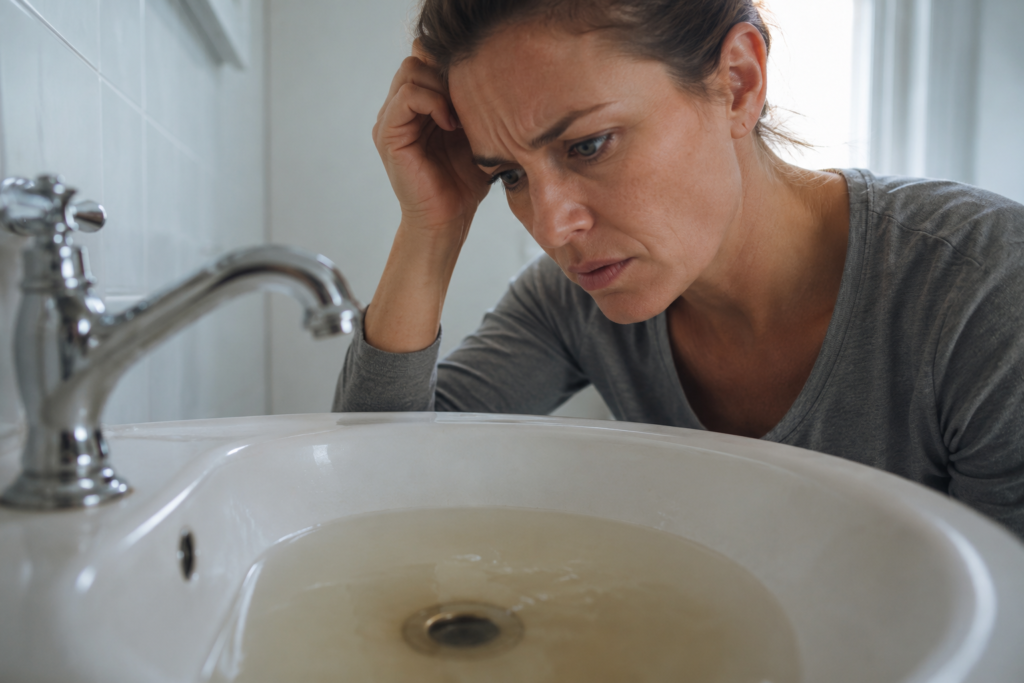
A sewer backup plumber can inspect your plumbing system to determine what is causing the backup. Blockages, tree roots, damaged pipes, or other sewer line problems can cause repeated backups, especially when multiple drains are affected at the same time.
When Does a Sewer Backup Mean You Need Sewer Line Repair?
Not every sewer backup requires replacing the sewer line. Some backups are caused by grease buildup or temporary blockages, while others result from cracked pipes, tree roots, collapsed sewer lines, or aging infrastructure. If backups happen repeatedly or affect several drains at once, a professional inspection can determine whether sewer line repair is needed before another backup occurs.
Shut Off Electricity in Affected Areas
If sewage water is near electrical outlets, appliances, or your circuit breaker, turn off power to that area immediately, but only if you can do so safely without stepping into standing water. Water and electricity together create a serious shock hazard, so if you’re unsure, contact an electrician or wait for restoration professionals to assess the situation safely.
Ventilate the Space
Open windows and doors if possible to improve air circulation and reduce the concentration of harmful gases and odors. Sewage backups often release methane and other toxic fumes that can cause headaches, nausea, or respiratory irritation. Good ventilation helps protect anyone still in the home while you wait for help to arrive.
Document the Damage for Insurance
Before any cleanup begins, take photos and videos of the affected areas, damaged belongings, and visible water lines. This documentation is essential for filing an insurance claim later. Many Columbia homeowners are surprised to learn that sewage backup damage may be covered under specific policy riders, so having clear evidence strengthens your claim and speeds up the reimbursement process.
Why Sewer Backups Are Common in Columbia, SC
Older neighborhoods, seasonal heavy rainfall, and aging underground sewer infrastructure can all contribute to sewer backups in Columbia. Homes with mature trees may also experience root intrusion into sewer lines. Acting quickly helps reduce contamination and limits damage to flooring, drywall, and personal belongings.
Sewer Backup Cleanup Companies
Sewer backups are not a DIY job. Professional remediation requires specialized equipment, proper disinfection protocols, and safe disposal of contaminated materials. A trusted sewage backup cleanup and sanitation team will extract the contaminated water, remove damaged materials, and fully sanitize the area to eliminate pathogens and prevent future health risks. Acting quickly here is critical since sewage-contaminated materials often can’t be salvaged the longer they sit.
Sewer Backup Restoration
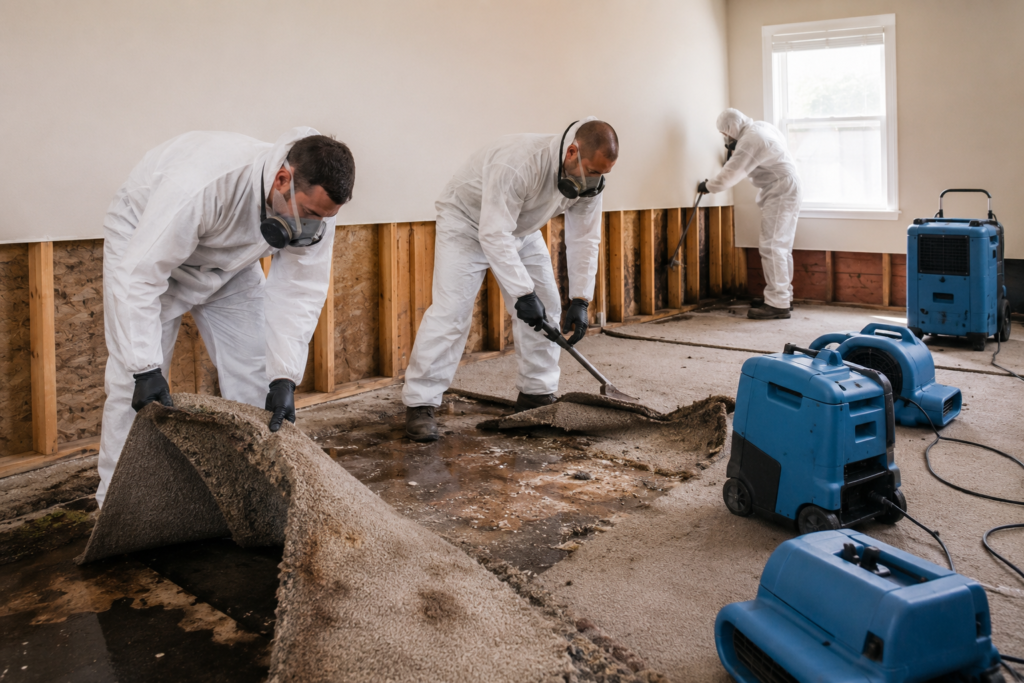
Sewer backup restoration involves more than removing visible sewage water. Depending on the damage, restoration may include contaminated material removal, cleaning and disinfection, structural drying, odor control, and repairs to affected floors, walls, and other parts of the home.
Address Water Damage to Floors and Walls
Sewage backups frequently soak carpets, hardwood floors, drywall, and subflooring. These materials absorb contamination quickly and often need to be removed rather than cleaned. If your carpet has been affected, professional carpet water damage restoration can determine whether it’s salvageable. For wood flooring, specialized hardwood floor water damage restoration prevents warping and long-term structural issues. Drywall soaked by sewage water almost always needs to be cut out and replaced through professional drywall water damage repair to stop contamination from spreading further into your walls.
Check for Crawlspace and Basement Contamination
If your home has a basement or crawlspace, sewage backups can seep into these lower areas, creating hidden contamination that’s easy to miss. Columbia’s humid climate makes these spaces especially vulnerable to lingering moisture and bacteria growth. A thorough crawlspace water damage cleanup ensures no contaminated water is left behind in these hard-to-reach areas, protecting your home’s foundation and air quality.
Watch for Mold Growth After the Cleanup
Even after sewage water is removed, the moisture left behind creates ideal conditions for mold within 24 to 48 hours. Since mold spores thrive on organic matter combined with dampness, any area touched by a sewer backup should be monitored closely. Professional teams often pair sewage cleanup with structural drying and dehumidification to eliminate excess moisture before mold has a chance to take hold, protecting both your property and your family’s respiratory health.
Get a Full Inspection Before Moving Back In
Once the visible cleanup is done, it’s important to confirm the space is genuinely safe. A professional inspection checks moisture levels behind walls, under flooring, and within HVAC systems to make sure no contamination or hidden dampness remains. This final step gives homeowners peace of mind that their home is truly restored, not just surface-cleaned.
Why Choose a Local Columbia Restoration Team
Sewer backups demand fast action, and every hour of delay increases health risks and repair costs. Professional sewer backup companies can help with sewage extraction, cleanup, structural drying, and restoration. First Choice Restoration is available 24/7. Our team handles everything from sewage extraction to structural drying, mold prevention, and insurance documentation, giving you one trusted point of contact through the entire recovery process.
Final Thoughts
A sewer backup emergency can feel overwhelming, but knowing the right steps to take makes all the difference. Stop water usage, avoid contact with contaminated water, ventilate the space, document everything, and call professionals immediately. The sooner you act, the better your chances of protecting your home and your family’s health.
If you’re facing a sewer backup in Columbia, SC, don’t wait. Call First Choice Restoration at (803) 721-1256 for immediate 24/7 emergency response.
Leave a Reply